Sixty days in Umbria Fino parte
Perugia Perugia is Umbria’s principal and largest city. Like other medieval cities its centro is perched on the highest hilltop in the immediate area and…
Perugia
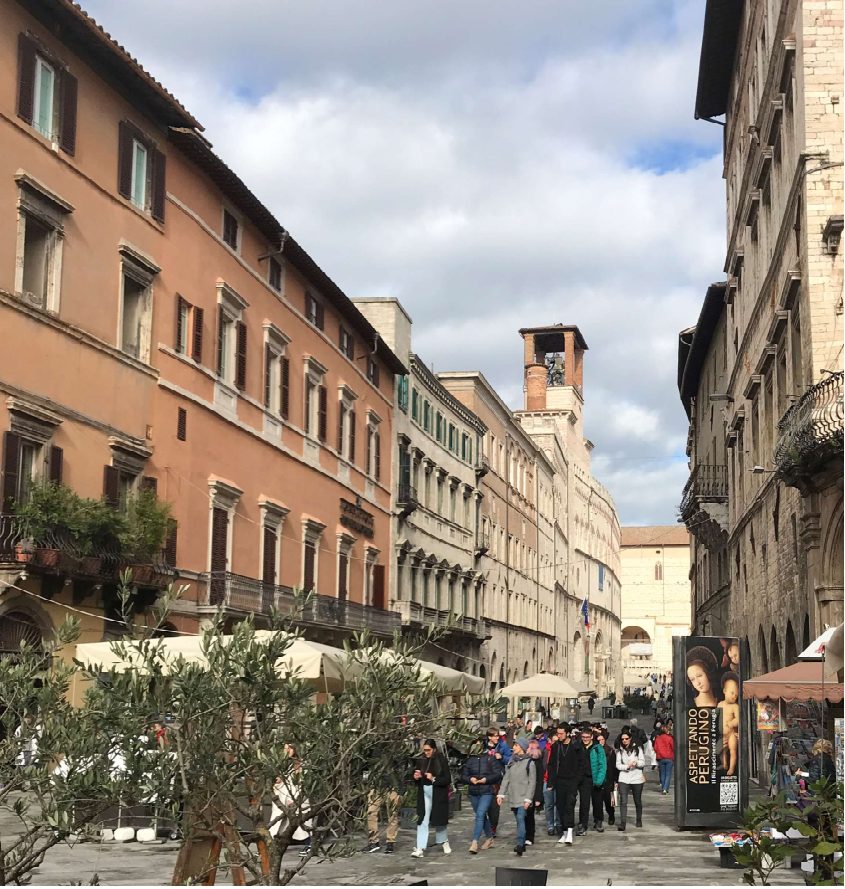
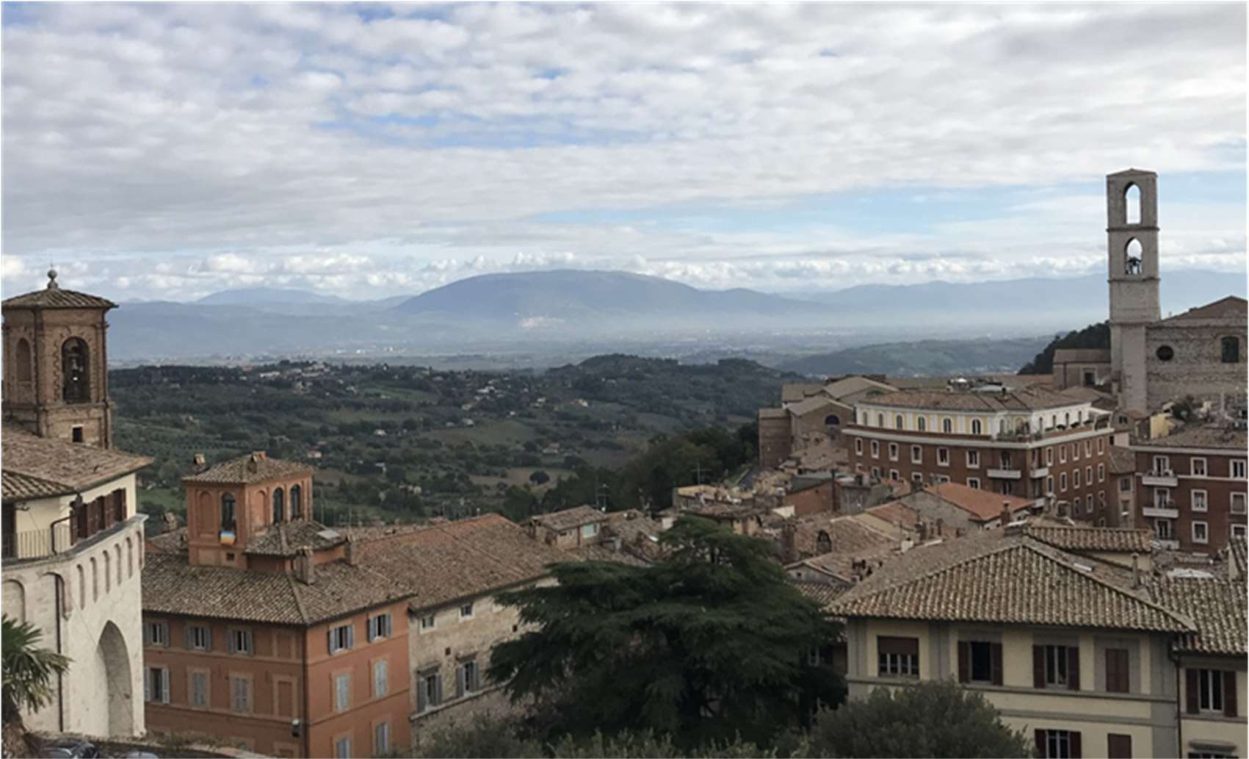
Perugia is Umbria’s principal and largest city. Like other medieval cities its centro is perched on the highest hilltop in the immediate area and it was not established as a tourist attraction, nor residential and commercial hub that provided easy access to motorised transport so parking the Peugeot became yet another test of the incredible driving skill of your correspondent. Most visitors park at the bottom of the really steep part and they climb or catch the “lift” up to the piazza in the centro. Not this intrepid reporter who was relying upon instructions from the lady on Google Maps – who, incidentally, has never, ever been there – and as relayed by the trusty navigator.
So, the reporter found himself on the very peak of the centro with “No Parking” signs everywhere the eye could see and got stuck in a very narrow one-way street in the heart of pedestrian activity with a huge Polizia blue van ferrying bandidos bound for internment reversing the wrong way back along the same street! The Polizia Municipale lady explained to the Peugeot driver and navigator that the Polizia van had precedence over normal traffic restrictions and that we had better back up into someone’s shop-front before the driver of the van exercised his “Right of Way” which I was trying to explain as more accurately called a “Wrong of Way” but my translation into the vernacular was found wanting.
To cut this explanation considerably shorter we should leap to the part where I had to negotiate my way sans GPS but con navigator into a parking station erected in 2000 as part of a building constructed the best part of a thousand years prior. The navigator couldn’t bear to watch as I put the Peugeot through places where no station-wagon had ventured before. My limited experience with navigators in rally cars is that the prerequisite is that they keep their eyes open when everyone else has them closed but, alas, my navigator wasn’t one of them. I must admit that I didn’t keep mine open a hundred percent of the time either. Somehow the car emerged unscathed. I think I have had a charmed run driving around the ancient parts of Italy, no-doubt due entirely to clean living habits and weekly attendance at local church services.
With the parking fiasco resolved we explored the very large piazza that is Perugia’s centro and what a grand and pretty centro it is.
You can spend most of the day wandering around the piazza but schedule lunch between noon and three- thirty because the shops close for siesta during those hours, as they do throughout all of the Italian paese and especially in Umbria. If you have the stamina, the good thing is that they are all busily trading from three-thirty until eight o’clock at night.
Foligno
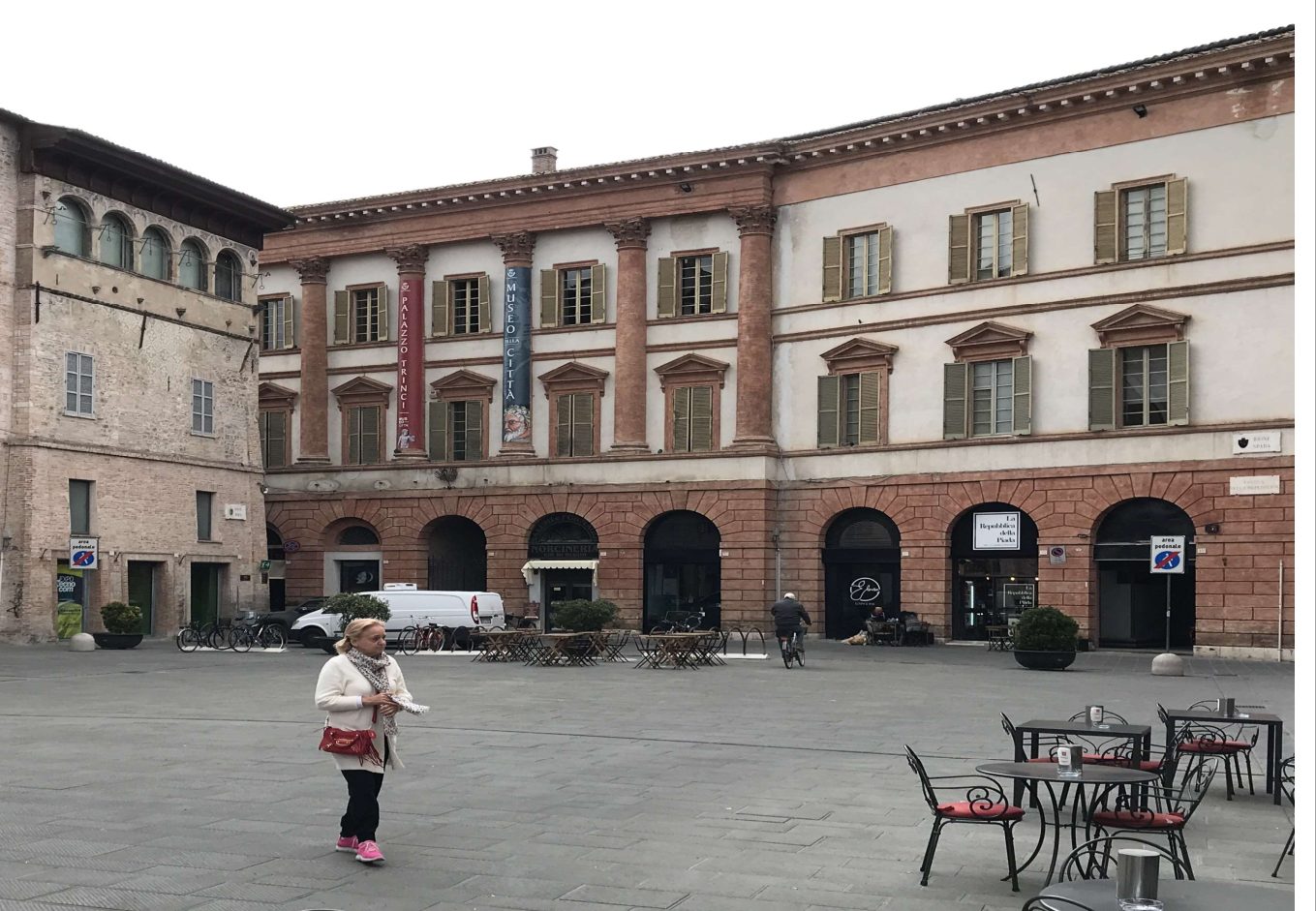
Cinzia doesn’t have many relatives on her father’s side. Mostly they were musicians whose lifestyle didn’t gel with that of marriage and for quite a few generations the Trinci family diminished, especially since those who did procreate produced mostly women. The succession line became fractured and folklore in Foligno, the epicentre of the Trinci traditions, that her great-great grandfather (Paolo Trinci) died intestate with no known descendants resulted in his considerable estate passing, eventually, to the Foligno comune (the local council). The building survives majestically along one whole side of the central Foligno piazza – right, slap-bang in the heart of the large city of Foligno. It has been fully restored to its grandeur and is now the home of one of the region’s premier art/fresci museums and galleries (and Umbria has a few). The establishment is officially named Palazzo Trinci and it occupies the prime spot in the city’s centre, right next to the municipio. We thought we might ask the municipio whether it would gladly restore the ownership of the palazzo to Paolo’s surviving descendants and they said that they would give it due consideration on the understanding that the rightful owners would wear the heating bills whereupon we went away to ponder whether the four euro per head admission charge would cover the outgoings.
Spello
If you have limited time to spend in Umbria and you have to choose which parts you see and which ones you leave for later you might include Assisi and abandon Spello but you probably didn’t make the right choice.
The climb up the hill to the peak (which is the centro) is virtually identical (you think you have been here before as you ascend each – probably because you have been to the other). Both are straight line paved one-way roadways that are shared by pedestrians and local drivers and each is lined with two storey houses and shops and each has a fork a third the way up with a wedge-shaped shop as its centrepiece. The gradient of each is similar but the way to the top of Assisi is a tad steeper and a bit longer.
The road to the top of Spello is a tad prettier with delightfully maintained residential and commercial buildings ordained with pretty planter boxes of flowering plants so if you need to make a choice, I’d suggest Spello gets the nod.
They are only 9.6 kilometres apart and parking at the foot of the climb in Spello is easier to access and closer to the climb. Of course, the major difference is that where Spello has pretty flowers adorning pretty houses it lacks a grand saintly memorial.
Bryan Forby
Umbria